
“`html
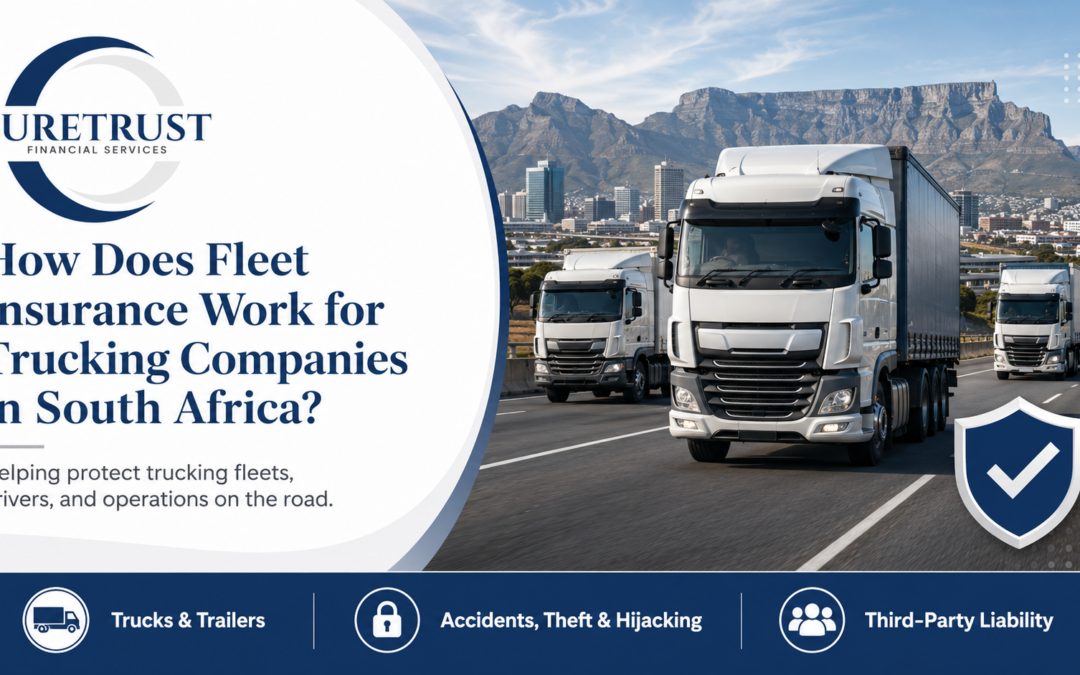
How Does Fleet Insurance Work for Trucking Companies Operating in South Africa?
Short answer: Fleet insurance for trucking companies in South Africa helps protect multiple commercial vehicles under one insurance arrangement instead of insuring each truck separately. It can cover trucks, trailers, bakkies, delivery vehicles, and other business vehicles against risks such as accidents, theft, hijacking, fire, third-party liability, and damage, depending on the policy selected. Trucking companies may also need related cover such as goods in transit insurance, public liability, driver-related risk cover, and business interruption protection.
What Is Fleet Insurance for Trucking Companies?
Fleet insurance is a type of commercial vehicle insurance designed for businesses that operate more than one vehicle. For trucking companies, this can include heavy commercial vehicles, long-haul trucks, horse-and-trailer combinations, delivery trucks, refrigerated trucks, tipper trucks, flatbeds, tankers, bakkies, trailers, and support vehicles.
Instead of managing separate insurance policies for every vehicle, a fleet insurance policy can group several business vehicles under one structure. This may make administration easier, help standardise cover across the fleet, and allow the business to manage vehicle risks more practically.
Fleet insurance is especially important for trucking companies because vehicles are central to the business. If a truck is damaged, stolen, hijacked, or involved in an accident, the impact can affect deliveries, cash flow, customer contracts, driver safety, and business continuity.
Simple example: A trucking company with five trucks and three trailers may insure them under one fleet policy. If one truck is involved in an accident, the fleet policy may respond according to the cover selected, excesses, conditions, and policy wording.
How Does Fleet Insurance Work?
Fleet insurance works by covering a group of vehicles used for business purposes under one commercial insurance plan. The insurer will usually look at the number of vehicles, vehicle types, vehicle values, routes, driver profiles, claims history, security measures, tracking systems, and how the trucks are used.
A trucking company can usually structure fleet insurance around different levels of cover, depending on the business’s needs and budget.
- Comprehensive cover: This is usually the broadest option and may cover accidental damage to the insured vehicle, theft, hijacking, fire, and third-party liability.
- Third-party, fire, and theft cover: This may cover damage caused to third-party property, as well as loss from fire or theft, but may not cover accidental damage to the insured truck itself.
- Third-party only cover: This usually covers damage caused to another person’s vehicle or property, but does not cover damage to the insured vehicle.
- Trailer cover: Trailers may need to be listed and insured separately or included as part of the fleet arrangement.
- Specified vehicle cover: Some policies require each truck, trailer, or vehicle to be listed with its registration number, value, and use.
- Driver requirements: The policy may include age, licence, professional driving permit, experience, or named-driver requirements.
- Tracking and security requirements: Trucks may need approved tracking devices, immobilisers, alarms, or specific anti-theft measures.
- Excess structure: The business may pay an excess when claiming, and different excesses may apply to theft, hijacking, accident damage, windscreen claims, or young drivers.
What Does Fleet Insurance Usually Cover?
Fleet insurance for trucking companies in South Africa can include several types of vehicle-related protection. The exact cover depends on the insurer, policy wording, selected extensions, vehicle use, and the type of trucking operation.
- Accident damage: Cover may apply when a truck, trailer, or fleet vehicle is damaged in a road accident.
- Theft of vehicles: Fleet insurance may cover loss if a truck, trailer, or commercial vehicle is stolen, subject to security requirements.
- Hijacking: Some policies may cover theft or damage following hijacking, depending on policy terms and conditions.
- Fire damage: Vehicles may be covered if they are damaged or destroyed by fire.
- Third-party liability: This may cover damage caused to another person’s vehicle, property, or assets after an insured incident.
- Glass and windscreen damage: Some fleet policies may include or offer cover for windscreens, windows, and glass damage.
- Towing and recovery: Policies may include towing, recovery, or roadside assistance after an insured accident or breakdown-related event.
- Vehicle write-off: If a truck is damaged beyond economical repair, the insurer may settle according to the insured value and policy conditions.
- Trailer damage: Trailers may be covered if they are correctly included in the policy.
- Cross-border use: Some trucking companies may need extension for vehicles travelling outside South Africa, depending on routes and insurer approval.
- Replacement vehicle or downtime support: Some policies may offer optional extensions, but this is not always automatic.
- Specialised vehicle equipment: Refrigeration units, hydraulic systems, cranes, tankers, or fitted equipment may need to be specified or separately insured.
What Is Usually Not Covered?
Fleet insurance does not cover every possible loss. Trucking companies should understand the exclusions, excesses, and conditions before relying on the cover.
- Wear and tear: Gradual deterioration, mechanical wear, rust, corrosion, tyre wear, and normal ageing are usually not covered.
- Mechanical or electrical breakdown: Standard fleet insurance may not cover ordinary breakdown unless specific breakdown cover or warranties apply.
- Unlicensed or unauthorised drivers: Claims may be rejected if the driver did not have the correct licence, permit, or permission to drive.
- Driving under the influence: Claims are generally excluded if the driver was under the influence of alcohol or drugs.
- Overloading: Damage or liability caused by overloading may affect a claim.
- Unsafe or unroadworthy vehicles: Claims may be affected if the truck was not roadworthy, maintained, or legally compliant.
- Undeclared vehicle use: If a truck is used for a purpose not disclosed to the insurer, cover may be affected.
- Goods being transported: Fleet insurance usually covers the vehicle, not the cargo. Goods in transit insurance may be needed for the items being carried.
- Excluded routes or territories: Some policies may limit cover to South Africa unless cross-border cover has been arranged.
- Loss of income without business interruption cover: Damage to a vehicle may be covered, but the income lost while the truck is off the road may not be covered unless arranged separately.
Who Needs Fleet Insurance?
Fleet insurance is suitable for trucking and transport businesses that operate multiple vehicles for commercial purposes. It is especially important where vehicles are essential to daily operations, customer deliveries, route schedules, and business income.
Businesses that may need fleet cover
- Trucking companies
- Transport and logistics businesses
- Courier and delivery companies
- Freight operators
- Construction transport companies
- Agricultural transport operators
- Retail delivery fleets
- Distribution companies
Vehicles that may be included
- Long-haul trucks
- Horse-and-trailer combinations
- Flatbed trucks
- Refrigerated trucks
- Tipper trucks
- Tankers
- Delivery vans and bakkies
- Trailers and support vehicles
A trucking company should consider fleet insurance if losing one or more vehicles would affect income, deliveries, client contracts, driver operations, or the ability to keep trading.
Why Fleet Insurance Matters in South Africa
Trucking companies operating in South Africa face real and practical risks every day. Long distances, high fuel costs, road conditions, vehicle theft, hijacking, accidents, cargo exposure, driver fatigue, maintenance pressure, and route delays can all affect a transport business.
For many trucking companies, the vehicles are not just assets. They are income-generating tools. When a truck is off the road, the business may lose revenue, miss delivery deadlines, disappoint clients, and face additional repair, recovery, or replacement costs.
- Accidents on national and regional roads
- Theft or hijacking of trucks and trailers
- Damage to vehicles while loading, unloading, or manoeuvring
- Third-party damage claims after an accident
- Trailer damage or trailer theft
- Damage to specialised equipment fitted to vehicles
- Cross-border route risks
- Loss of income if vehicles cannot operate after an insured event
This is why fleet insurance should not be treated as a simple admin item. It should form part of a broader risk plan for trucking companies that depend on vehicles, drivers, cargo movement, and reliable operations.
Fleet Insurance vs Goods in Transit Insurance
Fleet insurance and goods in transit insurance are closely connected, but they do not cover the same thing. Trucking companies often need both.
Fleet insurance
Fleet insurance usually protects the vehicles themselves. This may include trucks, trailers, bakkies, vans, and support vehicles against accident damage, theft, hijacking, fire, and third-party liability.
Goods in transit insurance
Goods in transit insurance protects the items being carried. This may include stock, products, materials, customer goods, equipment, agricultural goods, or freight while being transported.
A trucking company that transports customer goods should not assume the cargo is covered by fleet insurance. Cargo and goods normally need separate goods in transit cover or a suitable extension.
What Affects the Cost of Fleet Insurance?
Fleet insurance premiums can differ from one trucking company to another. Insurers usually calculate the risk based on several practical factors.
- The number of trucks, trailers, and vehicles in the fleet
- The type, age, value, and condition of the vehicles
- The routes travelled and operating areas
- Whether vehicles operate locally, nationally, or cross-border
- The type of cargo or goods usually transported
- Driver age, experience, licence type, and driving history
- Previous claims history
- Security measures such as tracking, immobilisers, alarms, and parking arrangements
- Whether vehicles are financed
- The selected level of cover and excess structure
- Whether trailers and specialised equipment are included
- Whether optional extensions are added
Important: Trucking companies should review fleet values regularly. Vehicle values, replacement costs, repair costs, routes, drivers, and contracts can change, which may affect the cover needed.
How Trucking Companies Can Reduce Fleet Risk
Insurance is important, but good risk management can also help protect the fleet, drivers, cargo, and business operations.
- Use approved tracking and recovery systems
- Keep vehicles properly serviced and roadworthy
- Check driver licences and professional driving permits
- Train drivers on safety, route risk, fatigue, and accident procedures
- Monitor claims patterns and repeat incidents
- Use safe parking and secure overnight arrangements
- Keep accurate vehicle inspection and maintenance records
- Declare the correct vehicle use and routes to the insurer
- Review cargo exposure and add goods in transit cover where needed
- Review insurance limits as the fleet grows
A well-managed fleet can make it easier to understand risk, reduce avoidable losses, and structure insurance more accurately.
How Suretrust Can Help
Suretrust helps South African trucking companies, transport operators, business owners, farmers, fleet owners, and commercial clients understand and structure insurance around real operational risks. Based in Bainsvlei, Bloemfontein, Suretrust works with clients across South Africa.
Suretrust can assist with reviewing your fleet, checking vehicle values, identifying gaps in cover, comparing fleet insurance options, explaining policy wording, and structuring cover for trucks, trailers, commercial vehicles, goods in transit, liability, trucking operations, and related business risks.
The right fleet insurance should support more than your vehicles. It should help protect your transport operation, your drivers, your contracts, your cargo movement, and your ability to keep your business on the road.
Frequently Asked Questions
What is fleet insurance for trucking companies?
Fleet insurance is commercial vehicle insurance that covers multiple business vehicles under one insurance arrangement. For trucking companies, this may include trucks, trailers, bakkies, delivery vehicles, and support vehicles used for transport and logistics operations.
How does fleet insurance work in South Africa?
Fleet insurance works by grouping several commercial vehicles under one policy or insurance structure. The insurer considers factors such as vehicle type, value, routes, claims history, driver profiles, security measures, and business use when calculating cover and premiums.
What does fleet insurance usually cover?
Fleet insurance may cover accident damage, theft, hijacking, fire, third-party liability, trailer damage, windscreen damage, towing, recovery, vehicle write-off, and certain fitted equipment, depending on the policy wording and selected cover.
Does fleet insurance cover the goods being transported?
Fleet insurance usually covers the vehicles, not the goods being transported. Trucking companies that carry stock, cargo, customer goods, or freight should consider goods in transit insurance to protect the items being moved.
Are trailers included in fleet insurance?
Trailers may be included if they are listed and insured under the policy. Trucking companies should make sure each trailer is declared correctly, with the right value, use, and cover requirements.
What is not covered by fleet insurance?
Common exclusions may include wear and tear, mechanical breakdown, unlicensed drivers, driving under the influence, overloading, unroadworthy vehicles, undeclared use, excluded routes, cargo loss without goods in transit cover, and loss of income without business interruption cover.
What affects the cost of fleet insurance?
Fleet insurance cost can be affected by the number of vehicles, vehicle values, vehicle types, routes travelled, driver profiles, claims history, security measures, tracking systems, cargo exposure, vehicle use, selected cover, and excess structure.
How can Suretrust help with fleet insurance?
Suretrust can help trucking companies review their fleet risks, compare suitable insurance options, identify gaps in cover, explain policy conditions, and structure cover for trucks, trailers, commercial vehicles, goods in transit, liability, and trucking operations.
Important disclaimer: This article is for general information only and does not replace personalised financial or insurance advice. Cover, exclusions, limits, excesses, and conditions depend on the insurer and policy wording. Always speak to a qualified insurance adviser before making insurance decisions.
“`